
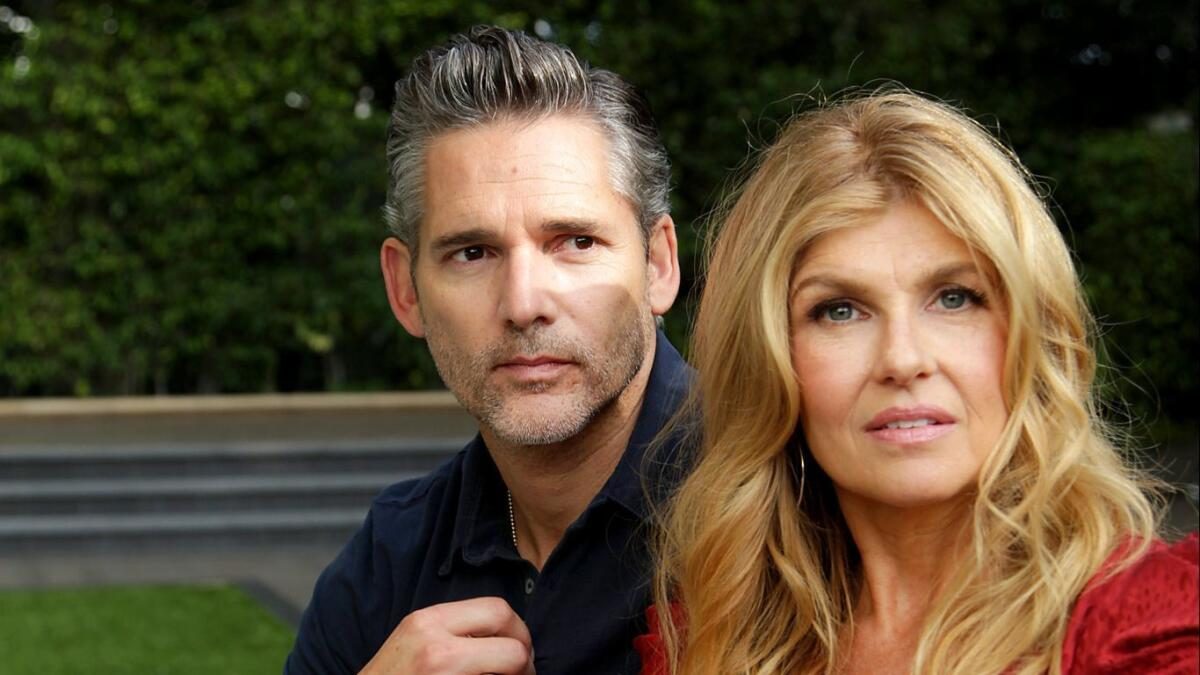
Dirty John Store Movie: The Scandal Behind the Hit Film
When the true‑crime drama “Dirty John Store” burst onto screens, audiences were instantly hooked by its twisted romance and chilling deception. Behind the glitz, however, lies a scandal that reshaped the film’s legacy and sparked heated debates about storytelling ethics. In this post, we’ll pull back the curtain on the controversy, explore the real‑life inspiration, and examine why the film still captivates viewers despite the turmoil surrounding its production.
Dirty John Store: The Scandal That Shook Hollywood
The controversy began when former crew members leaked confidential emails revealing that key scenes were altered to heighten drama, often at the expense of factual accuracy. Critics argued that the filmmakers prioritized sensationalism over truth, muddying the line between entertainment and exploitation. As the story unfolded, the scandal ignited lawsuits, with some claiming defamation and unauthorized use of personal details. The resulting legal battles forced the studio to issue public apologies and adjust marketing campaigns, highlighting the fragile balance between creative freedom and responsibility.
Unpacking the Real‑Life Inspiration
“Dirty John Store” draws heavily from the notorious real‑life case of John Meehan, whose manipulative tactics left a trail of heartbreak. While the film captures the essence of his manipulations, many observers note that the script took liberties, merging characters and events for dramatic effect. This creative condensation sparked outrage among victims’ families, who felt their experiences were being commodified. Nevertheless, the movie succeeded in raising awareness about emotional abuse, prompting discussions on how media can responsibly portray true crime without exploiting trauma.
Impact on Audiences and Industry Practices
Despite the uproar, the scandal boosted viewership, as curiosity drove audiences to dissect every frame for hidden truths. Streaming numbers spiked, and social media buzzed with theories and debates. In response, industry insiders began reevaluating their protocols for adapting real events, implementing stricter consent procedures and fact‑checking measures. The “Dirty John Store” controversy thus became a catalyst for change, encouraging studios to adopt transparent practices that honor the stories they retell.
What the Future Holds for True‑Crime Films
Looking ahead, the legacy of “Dirty John Store” serves as both a cautionary tale and a benchmark for responsible storytelling. Filmmakers are now more diligent about consulting with real‑life subjects and providing context to avoid sensationalism. Audiences, too, have grown more critical, demanding authenticity and ethical considerations. As the true‑crime genre continues to thrive, the lessons learned from this scandal will shape how future projects balance intrigue with integrity, ensuring that compelling narratives don’t come at the cost of truth.
In the end, the scandal behind “Dirty John Store” reminds us that a powerful story can spark conversation, but it must also respect the lives it portrays. By navigating this delicate terrain thoughtfully, creators can deliver gripping cinema while honoring the real people behind the headlines.