Double Indemnity Shop: Inside the Film’s Sinister Plot Twist
When the name Double Indemnity Shop first appears, fans of classic cinema expect a deep dive into the dark heart of the 1944 film. The phrase evokes the tangled web of insurance fraud, lust, and murder that defines the story. In this blog we walk through the film’s most chilling plot twist and reveal why the shop of deceit still captivates audiences today. By the end, you’ll see how a simple policy became a catalyst for betrayal, and why the twist remains a benchmark for suspense storytelling.
Double Indemnity Shop: The Premise Behind the Plot
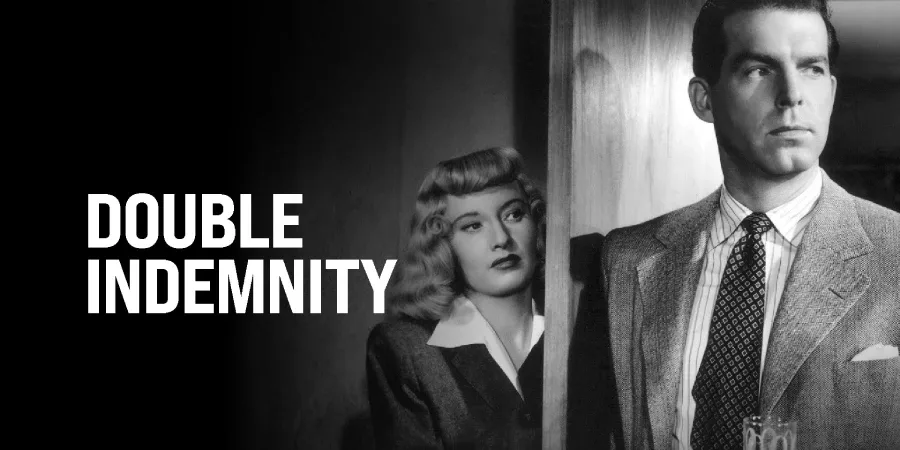
The film opens with an insurance salesman who visits a lonely house to discuss a policy called “double indemnity.” The policy pays double the amount if the insured dies in an accident. This promise fuels the murderous plan of a cunning femme fatale. She convinces the salesman to help her murder her husband and collect the payout. The “shop” in the title symbolizes the shady office where the scheme is crafted. The scene is sleek, the dialogue razor‑sharp, and the moral line already blurred. From the start, the audience senses a dangerous game is being set in motion.
Unraveling the Sinister Plot Twist
The twist arrives when the insurance investigator, a sharp and relentless character, begins to suspect foul play. He pieces together subtle clues that the salesman overlooks. The revelation is not just that a murder has occurred, but that the insurance claim itself was a trap. The Double Indemnity Shop becomes the stage for a perfect crime that is, in fact, impossible to hide. The audience learns that the femme fatale’s alibi was a lie, and the salesman’s greed blinded him to the inevitable fallout. This pivot shatters the illusion of control and forces every character to confront their own darkness.
Motivations, Greed, and Moral Ambiguity
Every participant in the Double Indemnity Shop scheme is driven by a mix of desire and desperation. The salesman seeks financial freedom, while the wife craves liberation from a loveless marriage. Their motivations intertwine, creating a toxic partnership that fuels the crime. The film never paints them as pure villains; instead, it shows how ordinary people can slip into immorality when temptation looms. This moral ambiguity keeps viewers guessing, and it amplifies the impact of the plot twist. The audience is forced to ask: could they have made the same choices under similar pressure?
Legacy and Modern Interpretations
Decades after its release, the Double Indemnity Shop narrative still influences modern thrillers and TV dramas. Directors cite its tight pacing and masterful twist as a template for suspense. Contemporary storytellers often adapt the core idea—an insurance scam gone wrong—into new settings, from corporate fraud to digital heists. The film’s legacy endures because it explores timeless themes: trust, betrayal, and the cost of greed. As viewers revisit the classic, they discover fresh layers of meaning, proving that a well‑crafted plot twist can transcend time and genre.
In conclusion, the Double Indemnity Shop stands as a testament to the power of narrative precision. Its sinister plot twist not only shocked audiences but also set a benchmark for storytelling. By dissecting the characters, motives, and lasting influence, we gain a deeper appreciation for how a single twist can reshape an entire genre. The shop may be fictional, but its lessons about human nature remain starkly relevant today.