Double Indemnity Store: A Film Noir Masterpiece Unveiled
Step into the smoky shadows of mid‑century America as we peel back the layers of a true cinematic treasure: Double Indemnity Store. This film noir masterpiece invites viewers into a world of betrayal, desire, and deadly ambition, all wrapped in a tightly wound plot that still feels fresh today. From the moment the opening credits flash, you’re pulled into a labyrinth of moral ambiguity where every glint of light conceals a deeper darkness. Let’s explore why this timeless classic continues to captivate audiences and inspire storytellers across generations.
Double Indemnity Store: The Dark Allure of Classic Noir
At its core, Double Indemnity Store embodies everything that defines the noir genre. The narrative unfolds through a cynical insurance salesman who becomes entangled in a femme‑fatale’s murderous scheme. The film’s dialogue crackles with sarcasm, while its characters are painted in shades of gray, never fully good or evil. This moral complexity is what gives the story its irresistible pull, beckoning viewers to question their own ethical boundaries. The atmosphere is heavy with rain‑slicked streets and dimly lit offices, creating a visual backdrop that mirrors the inner turmoil of the protagonists.
The Plot Twist That Redefined Crime Drama
What truly sets Double Indemnity Store apart is its groundbreaking plot twist. As the story spirals deeper into deceit, the audience discovers that the seemingly straightforward insurance fraud is merely a façade for a larger web of manipulation. The twist arrives with a chilling precision, turning the narrative on its head and leaving viewers reeling. This moment of revelation not only heightens the suspense but also cements the film’s status as a blueprint for modern crime dramas. Filmmakers still study this technique, aiming to replicate its razor‑sharp impact.
Visual Style and Cinematic Techniques
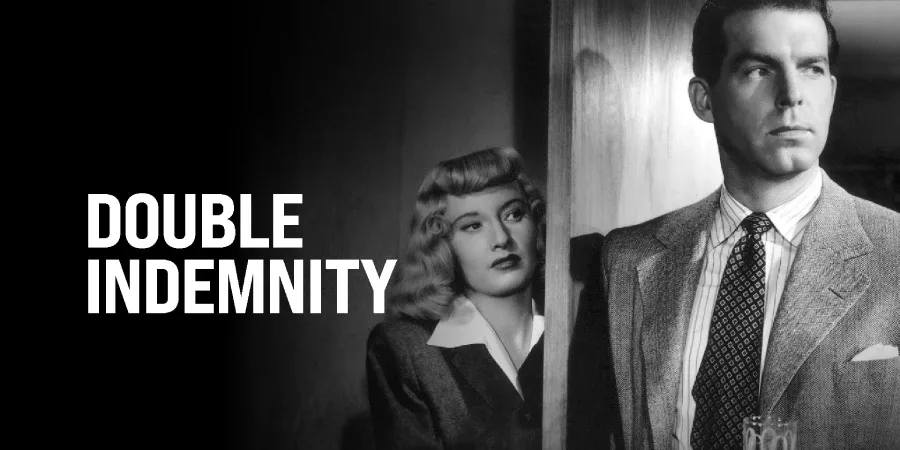
The visual language of Double Indemnity Store is a masterclass in chiaroscuro lighting. Director Billy Wilder skillfully uses shadows to conceal secrets and highlight the characters’ inner conflicts. Each frame feels meticulously composed, with strategic angles that trap the audience within the claustrophobic world of the protagonists. The use of deep focus and tight close‑ups intensifies the emotional stakes, allowing viewers to feel the weight of every whispered promise and shattered trust. This visual storytelling continues to influence contemporary directors who strive for that same atmospheric tension.
Legacy and Influence on Modern Storytelling
Decades after its release, Double Indemnity Store remains a touchstone for writers, directors, and actors alike. Its narrative structure, rich character archetypes, and iconic dialogue have been echoed in countless movies, TV series, and even graphic novels. The film’s legacy is evident in modern thrillers that echo its themes of greed, betrayal, and fatal attraction. By studying its pacing, dialogue, and visual motifs, today’s creators learn how to craft stories that linger long after the credits roll. The timeless appeal of this noir classic proves that great storytelling never truly ages.
In conclusion, Double Indemnity Store stands as a testament to the power of film noir to explore the darkest corners of human desire. Its intricate plot, unforgettable characters, and masterful visual style continue to inspire and challenge audiences worldwide. Whether you’re a seasoned cinephile or a newcomer to the genre, revisiting this masterpiece offers a rewarding journey into a world where every shadow tells a story.