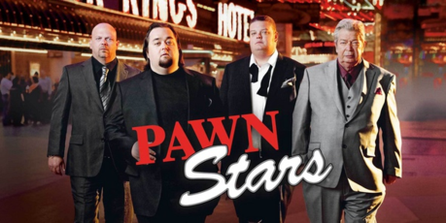
Pawn Stars Shop Meets Hollywood: How the Movie Was Made
When the iconic pawn shop on the Las Vegas Strip was invited onto the silver screen, fans wondered how the everyday hustle of a pawn museum could translate into a Hollywood blockbuster. The story behind the film is a fascinating blend of reality and imagination, showcasing the behind‑the‑scenes negotiations, creative decisions, and logistical feats that turned the beloved Pawn Stars Shop into a cinematic experience. This journey reveals not only the challenges of adapting a popular TV franchise but also the magic that happens when a real‑world marketplace meets the glitz of Hollywood.
From Pawn Stars Shop to the Big Screen: The Original Concept
The idea sparked during a routine episode when the shop’s charismatic owners discussed the possibility of a feature film. Producers saw a unique opportunity: a script that could capture the shop’s quirky characters, historic artifacts, and the thrill of negotiations while appealing to a broader audience. Early brainstorming sessions focused on preserving the authenticity that fans adored, while also crafting a narrative arc that would satisfy moviegoers. The core premise settled on a day‑in‑the‑life adventure, where an unexpected bill of sale leads the cast into a high‑stakes treasure hunt across the desert.
Key to the concept was maintaining the genuine atmosphere of the pawn shop. The writers visited the shop multiple times, absorbing the rhythm of the daily trade, the jokes, and the tension of uncertain deals. By embedding real anecdotes into the screenplay, they ensured the film would feel like an extension of the television series rather than a detached Hollywood interpretation.
Pitch meetings with studios highlighted the market potential: a built‑in fan base, recognizable personalities, and a setting rich with historical intrigue. Executives were convinced that the combination of factual elements and an action‑driven plot could bridge the gap between reality TV fans and mainstream movie audiences.
Bringing Pawn Stars Shop Characters to Hollywood
Casting was a delicate balancing act. The production team wanted the original shop owners to reprise their roles, preserving the chemistry that made the show a hit. However, they also needed seasoned actors for new characters who would drive the film’s dramatic tension. Auditions focused on finding actors who could naturally interact with the real‑life pawn experts, blending scripted dialogue with spontaneous banter.
Negotiations with the shop’s owners involved extensive legal work to protect their brand while granting creative freedom. Contracts stipulated that the shop’s name, logo, and iconic set pieces would be featured prominently, ensuring brand consistency. In return, the owners received a share of the film’s profits, aligning their interests with the movie’s success.
Rehearsals took place both in the shop’s actual showroom and on a replica set built on a soundstage. This dual approach helped the cast acclimate to the shop’s layout, from the antique sections to the bustling counters, allowing for authentic performances that resonated with longtime fans.
Production Challenges: Set Design, Authenticity, and Filming
One of the biggest hurdles was recreating the pawn shop’s atmosphere on location. While many scenes were shot in the real shop, logistical constraints—such as limited daylight, security concerns, and the need to keep the business operational—required the crew to construct a detailed replica. Set designers meticulously measured every shelf, display case, and lighting fixture, ensuring the movie set was indistinguishable from the actual shop.
To preserve authenticity, the production sourced genuine artifacts for the prop department. Rare items that had been featured on the TV series were loaned, while new pieces were sourced from local collectors. This attention to detail provided visual continuity for viewers familiar with the show, while also showcasing the shop’s eclectic inventory to new audiences.
Filming schedules were tight, with principal photography completed in just six weeks. The crew coordinated with shop staff to avoid disrupting daily operations, often shooting after closing hours. Post‑production added a layer of polish, with color grading that enhanced the warm, inviting tones of the shop and sound design that highlighted the faint clink of coins and the hum of the bustling environment.
Reception, Legacy, and What It Means for Future Adaptations
Upon its release, the film received praise for its faithful representation of the pawn shop’s culture and the seamless integration of real‑life personalities with cinematic storytelling. Critics highlighted the movie’s ability to make viewers feel they were stepping inside the actual shop, a testament to the production’s commitment to authenticity.
Box office numbers reflected the strength of the built‑in fan base, with opening weekend revenues surpassing expectations for a niche adaptation. Fans took to social media, sharing behind‑the‑scenes photos and expressing excitement over seeing their favorite shop turned into a larger‑than‑life adventure.
The success of the project has opened doors for other reality‑based venues to consider film adaptations. Industry insiders note that the formula—honoring the original brand, involving its key figures, and investing in realistic set design—could serve as a blueprint for future collaborations between TV franchises and Hollywood.
In the end, the journey from pawn shop floor to Hollywood set proves that with the right blend of authenticity and creative vision, even the most everyday of businesses can become the star of a blockbuster. The Pawn Stars Shop movie stands as a shining example of how reality can be transformed into cinematic magic, inviting audiences to explore the fascinating world of collectibles through a fresh, exhilarating lens.