
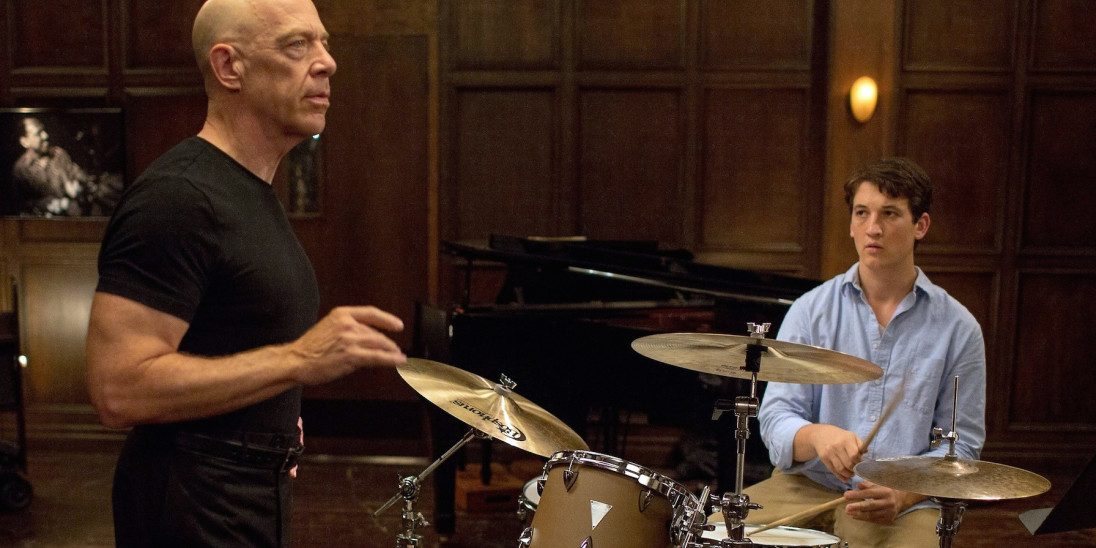
Whiplash Shop Secrets: Behind the Scenes of the Iconic Film
Step inside the world of the cult classic that captured audiences with its raw energy and unforgettable scenes. The film’s iconic backdrop, the legendary Whiplash Shop, has become a fan‑favorite, but few know what really happened behind the closed doors. In this deep dive we’ll pull back the curtain, sharing hidden details, surprising trivia, and the creative decisions that turned a simple location into a cinematic legend.
Whiplash Shop Secrets Revealed
The original Whiplash Shop was not a fictional set built from scratch; it was an actual vintage repair garage tucked away in a gritty industrial district. The production team discovered the space during a scouting trip and instantly fell in love with its weathered signage and authentic tools. After securing the location, the art department cleaned up the exterior while preserving the original graffiti that gave it character. This blend of reality and art direction helped the audience instantly connect with the film’s gritty atmosphere.
Another hidden gem was the secret passage behind the back wall. Crew members built a narrow hallway that allowed actors quick access to the set without being seen on camera. This clever trick saved valuable shooting time and kept the narrative flow seamless.
Set Design and Prop Mastery
The prop team faced a huge challenge: the Whiplash Shop needed to look lived‑in, yet functional enough for intense action sequences. They sourced genuine 1970s automotive parts, from rusted pistons to authentic oil cans, ensuring every close‑up felt authentic. The lighting was deliberately harsh, casting dramatic shadows that heightened tension during chase scenes.
One of the most talked‑about details was the custom‑built neon sign that glowed ominously in the night. It was hand‑wired by a local electrician who used original neon tubes from the 1960s. This meticulous attention to period‑accurate elements made the shop feel like a character itself, influencing the mood of every scene filmed within its walls.
Casting Choices and Character Dynamics
When casting the lead roles, the director insisted that actors spend a day working inside the real Whiplash Shop. This immersive experience helped them understand the environment’s rhythm and the subtle noises—like the clank of a wrench or the hiss of hydraulic lifts—that would later be woven into their performances. The authenticity resonated on screen, giving the characters a grounded, believable edge.
Supporting actors also contributed to the shop’s lore by improvising dialogue that referenced real-life garage jargon. These unscripted moments were kept in the final cut, adding depth and spontaneity that fans still quote today.
Music, Sound Design, and Post‑Production Magic
The film’s soundtrack was carefully layered with ambient shop noises—metallic clangs, distant engine revs, and the rhythmic drip of oil—creating an auditory tapestry that kept viewers on edge. Sound engineers recorded these effects on location, then mixed them with the original score to heighten suspense during pivotal moments.
During post‑production, editors discovered a hidden reel of footage featuring the shop’s interior at sunrise, a quiet moment never intended for the final edit. They chose to use a brief snippet as an epilogue, offering fans a glimpse of the space before it became a legend.
From the authentic location to the painstakingly crafted props, the Whiplash Shop continues to inspire filmmakers and fans alike. Its secrets reveal a blend of creative daring and meticulous detail that turned an ordinary garage into an unforgettable cinematic icon. Whether you’re a seasoned cinephile or a casual viewer, understanding these behind‑the‑scenes stories deepens the appreciation for a film that still reverberates with raw energy and timeless style.