
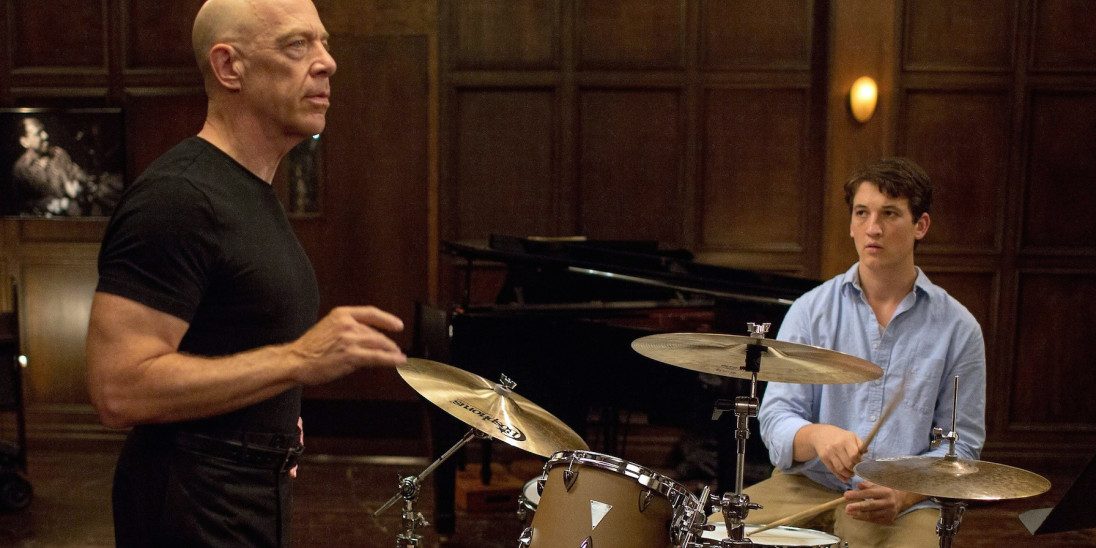
Whiplash Store Exposed: The Film’s Untold Jazz Battle
The moment the final drumbeat echoes, viewers are left buzzing with adrenaline and curiosity—what really fuels the fierce clash of talent and torment in the cult classic? Beneath the screen’s polished surface lies a hidden world of intense practice rooms, cut‑throat competitions, and a secret archive that has finally been opened to the public. This discovery, known as the Whiplash Store, offers a backstage pass into the film’s untold jazz battle, revealing raw footage, original scores, and the real stories that inspired the on‑screen rivalry.
The Film’s Roots and the Myth of Perfection
When director Damien Chazelle first imagined the story, he drew inspiration from his own time at a demanding music conservatory. The script was shaped by anecdotes of relentless teachers, sleepless rehearsals, and the pressure to achieve a flawless solo. Yet, the narrative also amplified these experiences into theatrical drama, shaping the myth of the “perfect” jazz musician. While audiences cheered the climactic performance, few realized that the film’s extreme intensity was partly a stylized echo of genuine, though less sensational, educational practices.
The Real‑Life Jazz Rivalry Behind the Scenes
Beyond the scripted clash between Andrew and Fletcher, a genuine rivalry simmered among the young drummers auditioning for the role. Each wanted to embody the relentless drive of a legend. Audition tapes, now archived in the Whiplash Store, show candidates pushing beyond conventional limits—repeating complex polyrhythms for hours, experimenting with unconventional techniques, and even confronting their instructors about the line between mentorship and abuse. These real confrontations fueled the raw energy that Chazelle captured on film, turning a personal battle into a universal story of artistic obsession.
What Whiplash Store Reveals About the Film’s Production
The newly opened Whiplash Store contains never‑seen behind‑the‑scenes photographs, original drum sheet music, and a series of candid interviews with the cast and crew. One striking revelation is that the iconic “Caravan” solo was performed live on set, with the actors improvising under the watchful eye of a seasoned jazz drummer. This authenticity added a layer of unpredictability, mirroring the film’s theme of chaos versus control. Additionally, the store houses correspondence that details how the production team negotiated with real musicians to ensure the soundtrack’s integrity, further blurring the lines between fiction and reality.
Lessons for Musicians and Audiences Alike
By exposing the factual backbone of the saga, the Whiplash Store invites both aspiring musicians and casual viewers to reflect on the cost of artistic excellence. The archive emphasizes the importance of balanced mentorship—pushing beyond comfort zones while fostering mental health. It also underscores that true creativity often thrives in collaboration, not isolation. For fans of the movie, the store’s revelations deepen appreciation for the craft, reminding us that every triumphant crescendo is built on countless, unseen rehearsals and personal sacrifices.
In the end, the untold jazz battle uncovered by the Whiplash Store enriches the narrative that captivated millions. It transforms a cinematic thriller into a living testament of the passion, perseverance, and sometimes perilous drive that defines the world of jazz. As the hidden archives continue to be explored, the dialogue between art and reality will only become louder, encouraging future generations to chase greatness with both intensity and insight.