
Whiplash Store Movie Review: Inside the Cult Classic
From the moment the opening beat hits, the film draws you into a relentless world of ambition, pressure, and musical obsession. Whether you’re a seasoned cinephile or a casual movie-goer, the intensity of this cult classic can’t be ignored. In this Whiplash Store movie review we’ll peel back the layers of a film that sparked heated debates, earned Oscar glory, and continues to inspire fierce discussions about art, discipline, and the cost of greatness.
Behind the Story: A Tale of Power and Perseverance
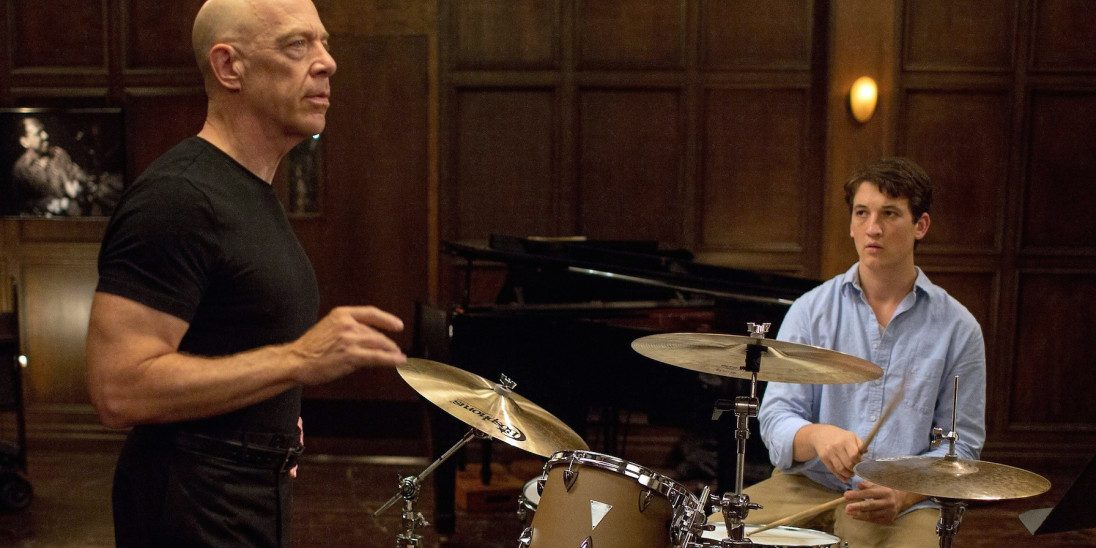
The narrative follows a young drumming prodigy who enrolls at an elite music conservatory, only to find himself under the tyrannical tutelage of an unforgiving instructor. Each practice session becomes a battlefield where the desire to perfect a single rhythm often spirals into psychological warfare. The screenplay masterfully balances raw talent with raw anxiety, making every drum solo feel like a life‑or‑death duel.
What sets the plot apart is its economical storytelling. In less than two hours, the film captures the full arc of a student’s rise, fall, and ultimate rebirth, all while never losing sight of the emotional stakes. It’s a reminder that the pursuit of excellence can be both exhilarating and destructive.
Why Whiplash Store Remains a Cult Classic
Beyond the buzz of awards and critical acclaim, the film has secured a permanent spot in pop culture thanks to its unapologetic intensity. Fans quote the infamous “I’m not here to make friends” line, while musicians worldwide cite it as a personal motivator. The cult status also stems from the polarizing portrayal of the mentor—a figure who embodies both inspiration and intimidation.
Online forums, fan art, and even classroom discussions keep the conversation alive, proving that the story resonates across generations. Its ability to spark debate about the fine line between pushing limits and crossing into abuse ensures the movie stays relevant long after its theatrical run.
The Music and Cinematic Craft: Syncopation on Screen
The soundtrack isn’t just background noise; it’s a character in itself. Each percussion sequence is meticulously timed to the editing, creating a visceral experience that makes the audience feel every vibration. The use of close‑up shots on drumsticks and sweat-soaked foreheads amplifies the physical toll of relentless practice.
Director Damien Chazelle’s vision shines through in the film’s dynamic camera work. Rapid cuts echo the frantic tempo, while lingering shots on the protagonist’s face reveal his internal struggle. The sound design, paired with a pulsating score, immerses viewers in a world where rhythm dictates reality.
Lasting Impact and Viewer Takeaways
At its core, the movie is a meditation on sacrifice. It asks whether the price of artistic perfection is worth the personal cost. Audiences leave the theater contemplating their own ambitions, whether in music, business, or any passion that demands relentless dedication.
For those who appreciate stories about grit and growth, the film serves as both a cautionary tale and an anthem of perseverance. Its legacy continues to influence aspiring artists, educators, and creators, urging them to ask: How far will you push yourself, and who will stand beside you when the rhythm fades?