
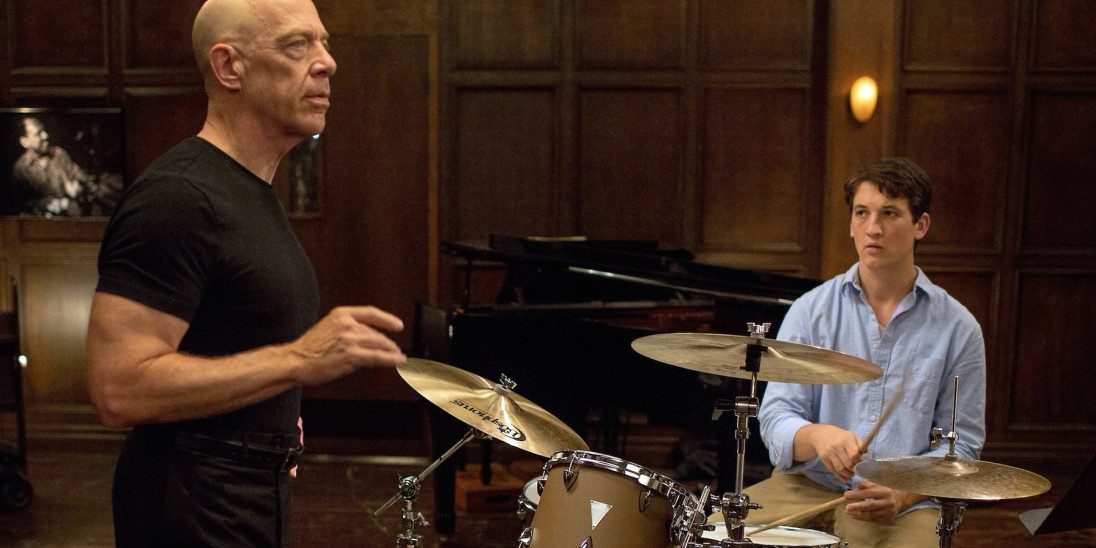
Whiplash Store Secrets: Inside the Film’s Iconic Set Shop
Step onto the legendary set that captured the pulse of drumming culture, and you’ll instantly feel the buzz of raw talent and meticulous craftsmanship. The Whiplash Store isn’t just a backdrop; it’s a character in its own right, pulsing with the energy of the film’s most intense moments. In this insider’s guide, we pull back the curtains to reveal how the shop’s design, props, and hidden details turned a simple location into an unforgettable cinematic experience.
Behind the Scenes of the Whiplash Store
The production team chose an actual music store to ground the story in realism. When the director first walked through the empty space, he imagined the clatter of cymbals and the echo of impatient footwork. After securing the location, the set designers stripped it down to its bare bones, then rebuilt it layer by layer with authentic gear and period‑accurate signage.
Every wall was painted with a specific shade of muted gray to emphasize the stark, almost austere vibe the film needed. The lighting rigs were positioned to cast dramatic shadows, highlighting the tension that would later unfold in each rehearsal scene. By keeping the layout true to a working store, filmmakers ensured that actors could interact naturally with their surroundings.
Design Secrets of the Iconic Set
The Whiplash Store’s design revolves around one core principle: visual focus. The central drum kit sits under a single spotlight, drawing the audience’s eye to the protagonist’s relentless pursuit of perfection. Surrounding instruments are deliberately placed out of focus, creating depth and reinforcing the feeling of isolation.
To achieve this, the set crew used a combination of real and replica equipment. Genuine drum heads were sourced from a local shop, while the surrounding guitars and amplifiers were crafted from lightweight materials to ease movement during filming. This blend of authenticity and practicality allowed camera crews to capture dynamic angles without compromising safety.
Another subtle detail is the arrangement of vintage posters on the walls. Each poster references iconic drummers and jazz legends, subtly reminding viewers of the film’s roots. The designers even consulted music historians to select images that would resonate with true aficionados, adding layers of meaning that reward repeat viewings.
Prop Sourcing and Authenticity
Authenticity was non‑negotiable for the Whiplash Store. The prop department scoured second‑hand stores, online auctions, and even contacted musicians directly to locate period‑appropriate gear. Every snare drum, stick, and sheet of music was hand‑picked to reflect the 1960s jazz scene.
One standout prop is the battered metronome that sits on the counter, ticking away as a visual reminder of timing and discipline. It was a genuine antique, sourced from a collector in New York, and its mechanical clicks are audible in several key scenes, adding an extra layer of tension.
Additionally, the staff uniforms were custom‑tailored to match the era’s aesthetic. Simple button‑up shirts in muted tones paired with dark slacks give the employees a timeless look while ensuring they don’t distract from the main action. Even the price tags on the instruments were printed with vintage fonts, contributing to the overall immersion.
Impact on Film Fans and Future Productions
Since its debut, the Whiplash Store has become a pilgrimage site for fans who crave a tangible connection to the film’s intensity. Guided tours now allow visitors to sit at the very drum kit used in the climax, feel the weight of the sticks, and hear the echo of the original recordings. This physical experience deepens appreciation for the meticulous set design and the story’s emotional stakes.
The success of this set has also inspired other filmmakers to embrace authenticity in their productions. By demonstrating that a well‑crafted environment can elevate performances, the Whiplash Store set a new standard for immersive storytelling. Production designers now frequently consult musicians and historians to ensure that every backdrop feels lived‑in and real.
For aspiring directors and set decorators, the Whiplash Store offers a masterclass in balancing detail with narrative focus. It proves that when a location becomes a character, the audience responds with heightened emotion, remembering every beat, every crash, and every silent pause long after the credits roll.
Exploring the Whiplash Store reveals more than just a meticulously rebuilt set; it uncovers a philosophy of authenticity that fuels compelling cinema. From the careful selection of props to the strategic placement of lighting, each decision serves the film’s core theme of relentless pursuit. As the drumming rhythm fades, the echo of the store’s design continues to inspire, reminding us that true artistry lies in the details we often overlook.