Zoolander Shop Secrets: Behind the Hilarious Film’s Fashion
Ever wondered how the absurdly stylish world of the cult classic “Zoolander” actually came to life? The answer lies in the quirky, over‑the‑top world of the Zoolander Shop, where every garment is a punchline wrapped in high fashion. From the moment the film rolls, the shop’s outrageous designs become a visual comedy that both mocks and celebrates the industry. In this post we’ll peel back the curtain and explore the real creative process, the hidden jokes, and the lasting influence that the Zoolander Shop has on both movies and actual runway trends.
The Concept Behind the Zoolander Shop
When the producers first envisioned the film, they needed a location that could serve as both a parody of elite fashion houses and a playground for absurdity. The idea was simple: create a boutique where even the most ridiculous ideas could be sold as couture. Designers were instructed to think “what if a model could wear a pair of walk‑on‑water shoes?” and then actually design them. This meant that every piece in the Zoolander Shop needed to be laugh‑able, yet technically plausible. The result was a collection of outfits that looked like they could belong on a runway, but were clearly meant to provoke a giggle.
To achieve this, the film’s costume team collaborated with real‑world stylists and pop‑culture experts. They sourced fabrics that were both inexpensive and eye‑catching, then added exaggerated details—think exaggerated shoulder pads, neon prints, and absurdly long scarves. The goal wasn’t just to dress the characters; it was to create a visual joke that would land with both fashion insiders and casual viewers.
Iconic Outfits and Their Origins
One of the most memorable pieces from the Zoolander Shop is the “derelicte” look—an intentionally misspelled version of “derelict.” The designers took a battered, distressed denim jacket, added random patches, and called it high fashion. The joke landed because it mirrored real trends where designers deliberately distress clothing to give it an “authentic” vibe. In reality, the outfit was sewn in a single day, using donated denim and a handful of paint splatters.
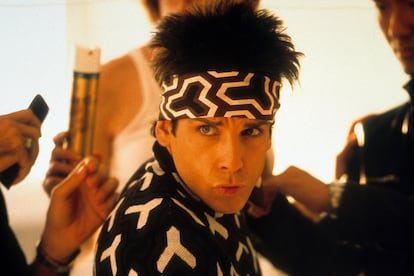
Another standout is the “Blue Steel” costume, which features an oversized, glitter‑covered blazer with a built‑in mirror on the back. The mirror was a literal nod to the movie’s famous pose, and the blazer’s shimmering texture was achieved using reflective sequins that caught the studio lights perfectly. The designers even hid a tiny camera inside the blazer’s pocket to capture spontaneous reactions from the cast, turning the garment into a secret source of behind‑the‑scenes footage.
Behind‑the‑Scenes Design Tricks
Creating the Zoolander Shop’s wardrobe required a blend of rapid prototyping and comedic timing. The team employed a “fast‑fashion” methodology: sketch, cut, glue, and then test on a mannequin within hours. This speed allowed them to adapt jokes on the fly. For instance, when the script introduced a “moisture‑proof” jacket, the designers simply sprayed a waterproof coating onto a regular bomber and called it a day.
Special effects also played a crucial role. Some garments were rigged with hidden wires to make them appear to “fly” during the runway scenes. Others featured LED lights sewn into the fabric, giving the illusion of a glowing, futuristic ensemble. These tricks not only elevated the humor but also gave the production a sleek, modern aesthetic that mimicked real‑world fashion tech.
How the Zoolander Shop Influences Real Fashion
Even years after the film’s release, the Zoolander Shop continues to ripple through the fashion industry. Designers often reference the movie’s over‑the‑top aesthetic during runway shows, using absurd accessories and tongue‑in‑cheek slogans. Some high‑end brands have even released limited‑edition collections inspired by the film, featuring “Mugatu‑approved” pieces that blend satire with genuine style.
The film also sparked a broader conversation about the line between art and comedy in fashion. By embracing the ridiculous, the Zoolander Shop showed that humor can be a powerful tool for critique and innovation. Modern stylists now frequently incorporate playful elements—like oversized sunglasses or bizarre prints—to comment on industry norms, a direct legacy of the film’s daring approach.
In summary, the Zoolander Shop isn’t just a fictional boutique; it’s a cultural touchstone that continues to shape how we think about fashion, satire, and creativity. Whether you’re a die‑hard fan, a fashion student, or just someone who loves a good laugh, exploring the secrets behind this iconic shop offers a fresh perspective on the dazzling—and often absurd—world of runway design.